
Välkommen till min sida om hälsoproblem i hundar, katter, kaniner, hamstrar och andra husdjur. Min sida är avsedd att hjälpa dig att hitta information om olika sjukdomar och hälsoproblem som drabbar olika husdjur. Sidan är inte menad att ersätta ett veterinärbesök utan du skall alltid ta ditt djur till en veterinär om det är sjukt.

Olika valpar behöver olika förutsättningar för att må så bra som möjligt
Vad min sida däremot kan göra är att lära dig mer om olika sjukdomar såsom Boxerulcus, Parvovirus typ 2 och Vingelsjuka så att du vet vilka symptom du skall hålla utkik efter så att du kan upptäcka hälsoproblem tidigare. Ju tidigare ett hälsoproblem upptäcks desto lättare är det att bota. Vissa sjukdomar som är relativt enkla att bota i tidiga skeden kan vara dödliga om de inte upptäcks förrän de är långt framskridna. Det kan då vara svårt att göra något åt problemen.
Min sida hjälper dig även att förebygga sjukdomar hos dina husdjur genom att lära dig mer om hur du ger dina djur ett hälsosamt liv.
Min sida är just nu relativt liten men jag lägger regelbundet till nya artiklar och mitt mål är att göra DVM.nu till en Sveriges bästa hemsidor inom veterinärmedicin. Till den bästa sidan om du behöver hitta ev veterinär online.
Observera att jag som skriver sidan i skrivande stund inte är doktor i veterinärmedicin utan enbart en student som en dag hoppas bli veterinär. Diagnostisera därför aldrig dina djur baserat på mina artiklar utan ta dem alltid till en veterinär om de verkar sjuka. Kom ihåg att det är ditt ansvar som ägare att se till att ditt djur inte lider av någon sjukdom. Det är bättre att inte ha något djur om du känner att du inte har råd att ta dem till veterinären.
Förebygga hälsoproblem hos ditt djur
Det är bra att upptäcka sjukdomar så tidigt som möjligt men det är ännu bättre att göra allt man kan för att förebygg att ditt djur någonsin blir sjukt. Konsultera omedelbart en veterinär online om ditt djur visar symptom av sjukdom.
Den miljö och den kost som du erbjuder ditt djur kan påverka ditt djurs hälsa dramatiskt och det finns mycket som du kan göra för att se till att ditt djur inte blir sjukt. Ett friskt djur som trivs är mycket mer motståndskraftigt mot de flesta sjukdomar.
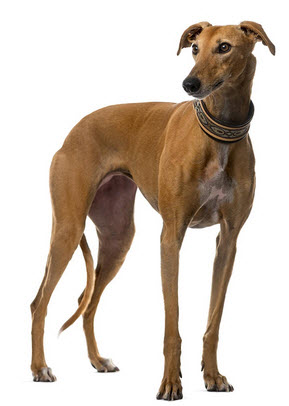
Greyhounds är byggda för att springa snabbt och vinna sina kapplöpningstävlingar. De har därför en hög ämnesomsättning och kan äta mycket utan att bli överviktiga. Andra hundar blir lätt feta om de får mycket mat.
Det är mycket svårt att ge allmänna råd för hur man förebygger hälsoproblem i sina husdjur. Prata med en veterinär online om du misstänker att ditt djur är sjukt.
Olika djur har olika preferenser och det som är nyttigt för ett djur kan vara skadligt för ett annat. Detta är sant för olika arter och kan t.o.m. vara sant för olika raser av samma djur. Ett exempel på detta är t.ex. att greyhounds har mycket hög ämnesomsättning och kan äta nästan hur mycket som helst utan att bli tjocka medan andra hundar såsom t.ex. bulldoggar lätt blir tjocka och man måste därför vara noga med att inte ge dem för mycket mat.
Det är mycket viktigt att du lär dig så mycket som möjligt om dina djur. Detta är sant även om du har haft andra liknande djur tidigare. Närbesläktade djur kan som sagt ha olika krav för att hålla sig friska. Jag rekommenderar att du läser allt du kan även om du har haft samma djur tidigare. Vi lär oss hela tiden nya saker om djur och det du fick lära dig när du hade djuret sist har kanske visat sig vara felaktigt.
Ditt mål skal vara att ge ditt djur en diet som passar djurets behov så bra som möjligt. Du skall även försöka skapa en trevlig stimulerande miljö för djuret. En miljö som ger dem saker att göra samt platser där de känner sig trygga. Det är även viktigt att du ser till att ditt djur får en lämplig mängd motion. Observera att mer inte alltid är bättre. Det är t.ex. viktigt att inte utsätta valpar av vissa stora hundraser för alltför intensiv motion innan de når två års ålder. Om man utsätter dem för intensiv motion kan detta ge ledproblem senare i livet. Grand Danois är ett exempel på en hundras där det är viktigt att begränsa hur mycket man motionerar sina valpar.
Internet har gjort det mycket enkelt att lära sig allt man någonsin kan vilja veta om sina djur. Det finns därför aldrig någon ursäkt för att inte lära sig så mycket som man kan om sina djur. Det finns ingen ursäkt att inte försöka ge dem ett så bra liv som möjligt baserat på denna kunskap.
Ge dina djur en bra diet
Att ge dina djur en bra varierad diet kan hjälpa till att motverka många sjukdomar. Men det är inte den enda fördelen som en god diet för med sig. Nedan hittar du några av de viktigaste fördelarna som en bra diet bidrar med.
Förbättrade näringsbalans
Precis som människor behöver en blandning av proteiner, vitaminer, kolhydrater och mineraler för att fungera optimalt, behöver våra husdjur också det. Att mata dem med samma måltid varje dag kan leda till näringsbrist eller fetma. En mångsidig kost säkerställer att de får ett balanserat intag av alla väsentliga näringsämnen.
Förhindrar tristess
Föreställ dig att äta samma rätt dag ut och dag in. Det skulle bli enformigt. Husdjur uppskattar också en förändring i smak och textur. Att introducera variation kan göra måltiderna till en spännande händelse för dem. Vissa djur såsom papegojor äta gärna samma mat varje dag i några veckor för att sedan byta till någon annan mat i några veckor. Detta efterliknar hur de lever i naturen där de huvudsakligen äter de mattyper som är mest vanligt förekommande vid den tiden på året.
Stödjer övergripande hälsa
Olika livsmedel erbjuder olika hälsofördelar. Till exempel ger fet fisk omega-3 fettsyror som är bra för hud och päls, medan grönsaker kan erbjuda antioxidanter som stödjer immunhälsan.
Reducerar matkänsligheter
Att ge en typ av mat kan leda till känsligheter eller allergier över tid. En varierad kost kan förhindra överexponering för potentiella allergener. Det är t.ex. vanligt att man hör att en hund bara kan äta en viss diet eller också får de diarré. Detta beror på att deras mage inte är van att äta olika saker. En varierad diet förebygger detta problem.
Försäkra alltid ditt djur
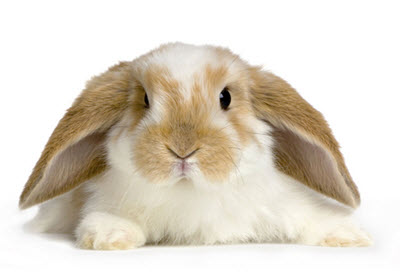
Det är inte bara hundar och katter som behöver en försäkring utan mindre djur såsom kaniner och illrar behöver också försäkras.
Kom ihåg att alltid teckna en djurförsäkring så att du inte risker att behöva betala alltför höga veterinärräkningar. En bra försäkring täcker både veterinär besök och konsultationer genom en veterinär online.
När man jämför olika djurförsäkringar så är det lätt att tycka att de verkar dyra och undra om man verkligen behöver en försäkring. Svaret på denna fråga är alltid ja. Veterinärvård kan vara mycket dyrt och även en mindre olycka kan leda till mycket höga veterinärräkningar. Om man inte har någon försäkring kan man hamna i en situation där man måste skuldsätta sig för att betala för sitt husdjursvård. Att hamna i en situation där man inte kan betala för vård kan vara mycket betungande för dig och förödande för ditt husdjur.
Många tänker att man måste försäkra en hund eller en katt men att det inte är nödvändigt om man har ett kanin eller en iller. Detta är inte sant. Det är inte billigare att betala för vård för små djur än det är för stora djur. Veterinärvård för en kanin kan lätt kosta 50 000 kr och om man skall ha råd att betala det behöver man en försäkring som täcker majoriteten av kostnaden.